






In the next seminar, we will discuss two fundamental tools for ensuring the reliability and longevity of power transformers: electrical testing and dielectric oil analysis.
What are these tests used for?
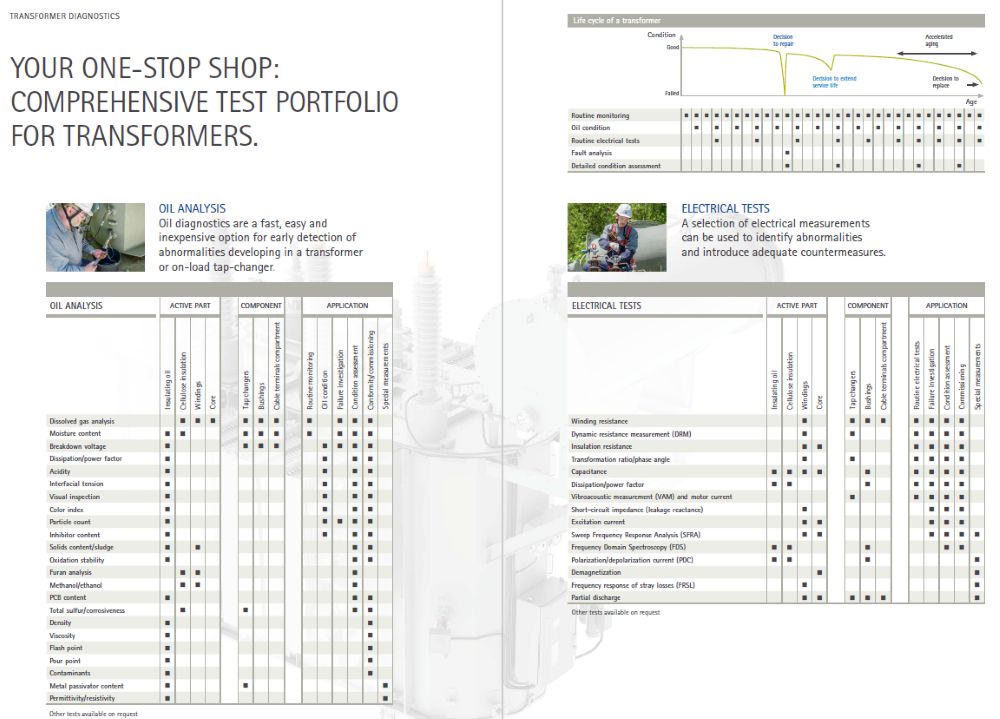
Both types of tests allow us to assess the actual condition of the transformer, detect incipient faults, and plan maintenance before critical failures occur. From insulation resistance measurement to gas chromatography, each result provides key information about the internal condition of the equipment.
It is essential to know what we are actually seeing with each of these tests:
What to do with each result?
We will learn how to correctly interpret the data obtained in tests such as:
- Transformation ratio
- Ohmic resistance of windings
- Dissipation factor (tan delta)
- Breakdown voltage and oil water content
- Dissolved gases (DGA)
- Furan and paper degradation compounds
We will explain how to respond to deviations: whether to repeat, investigate, intervene, or simply monitor.
Where should special care be taken?
Some results may seem harmless, but they hide potential faults. The opposite can also occur: unnecessary alarm over minor variations. We will teach you how to identify truly critical indicators and distinguish between background noise and real warning signs.
What should be given more importance?
Each transformer has its own history and operating context. In this seminar, we will show you how to prioritize actions based on the criticality of the equipment, the evolution of parameters over time, and the associated risks.
Targeted to:
Maintenance technicians, substation engineers, asset managers, and professionals in the electrical sector who want to make more informed decisions based on reliable data.
Understanding the results of these tests can be the difference between an operational transformer... and an unexpected shutdown.