







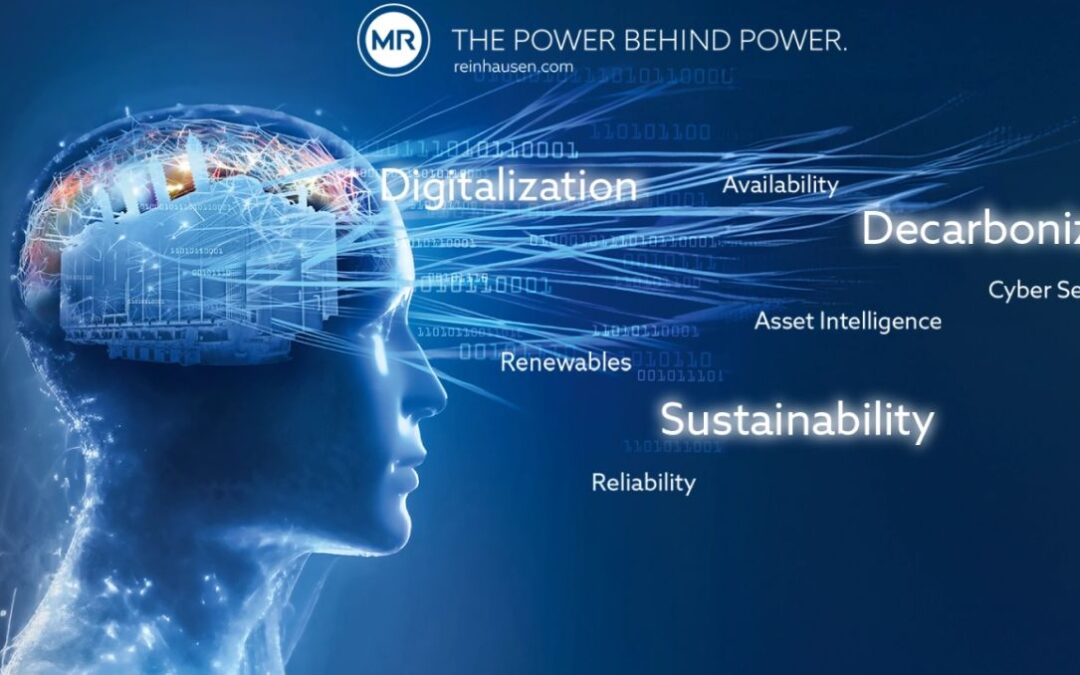
Spain and Portugal reinforce the digitization of power transformers as key to a smarter and more resilient electricity grid
Madrid/Lisbon, July 18, 2025 — The digitization of power transformers has become one of the strategic priorities in the modernization of the electricity grid in the Iberian Peninsula. This technological evolution is enabling progress towards a more efficient, secure, and flexible system, ready to integrate a growing volume of renewable energy, storage, and new consumers such as data centers.
Digitized transformers: the heart of the modern grid
Power transformers, essential elements for the transmission and distribution of electricity, are gradually being equipped with:
- Smart sensors
- Real-time monitoring systems
- Digital communication technologies
- Data-based predictive analytics
These tools make it possible to anticipate failures, reduce maintenance costs, improve operational efficiency, and increase the security of the electricity supply.
A decisive step towards grid automation
In both Spain and Portugal, projects are being implemented to integrate digitalized transformers into key substations. This enables:
- 24/7 remote monitoring of equipment status
- Automated decision-making in the event of incidents
- Optimization of asset use throughout their useful life
These capabilities are particularly relevant in areas with a high concentration of renewable energy or new technology hubs.
Integration with renewables, storage, and new energy uses
The digitization of transformers is essential for managing an increasingly dynamic and decentralized electrical environment.
Its benefits include:
- Improved integration of solar plants and wind farms
- Ability to manage bidirectional energy flows in battery systems
- Greater control over demand peaks in data centers or industrial areas
All of this contributes to more stable operation and better planning of infrastructure investments.
Ongoing modernization projects
Throughout 2025, multiple actions have been initiated on high-voltage transformers at strategic points in both countries. These projects enable:
- Digitization of the existing fleet and easier integration into SCADA platforms
- Strengthening of predictive monitoring through condition analysis algorithms
- Automation of protocols for responding to critical events or network imbalances
2030 goal: a connected, digital, and efficient network
The national energy strategies of Spain and Portugal foresee that by 2030:
- 9 out of 10 new power transformers will be digitized
- More than 70% of existing transformers will have remote monitoring
- Unplanned outages due to undetected faults will be reduced by at least 25%
This evolution will be key to consolidating an electricity grid adapted to the new challenges of the European energy system: more renewable, more distributed, and more digital.